Signs Your Child Might Need Interceptive Orthodontic Treatment
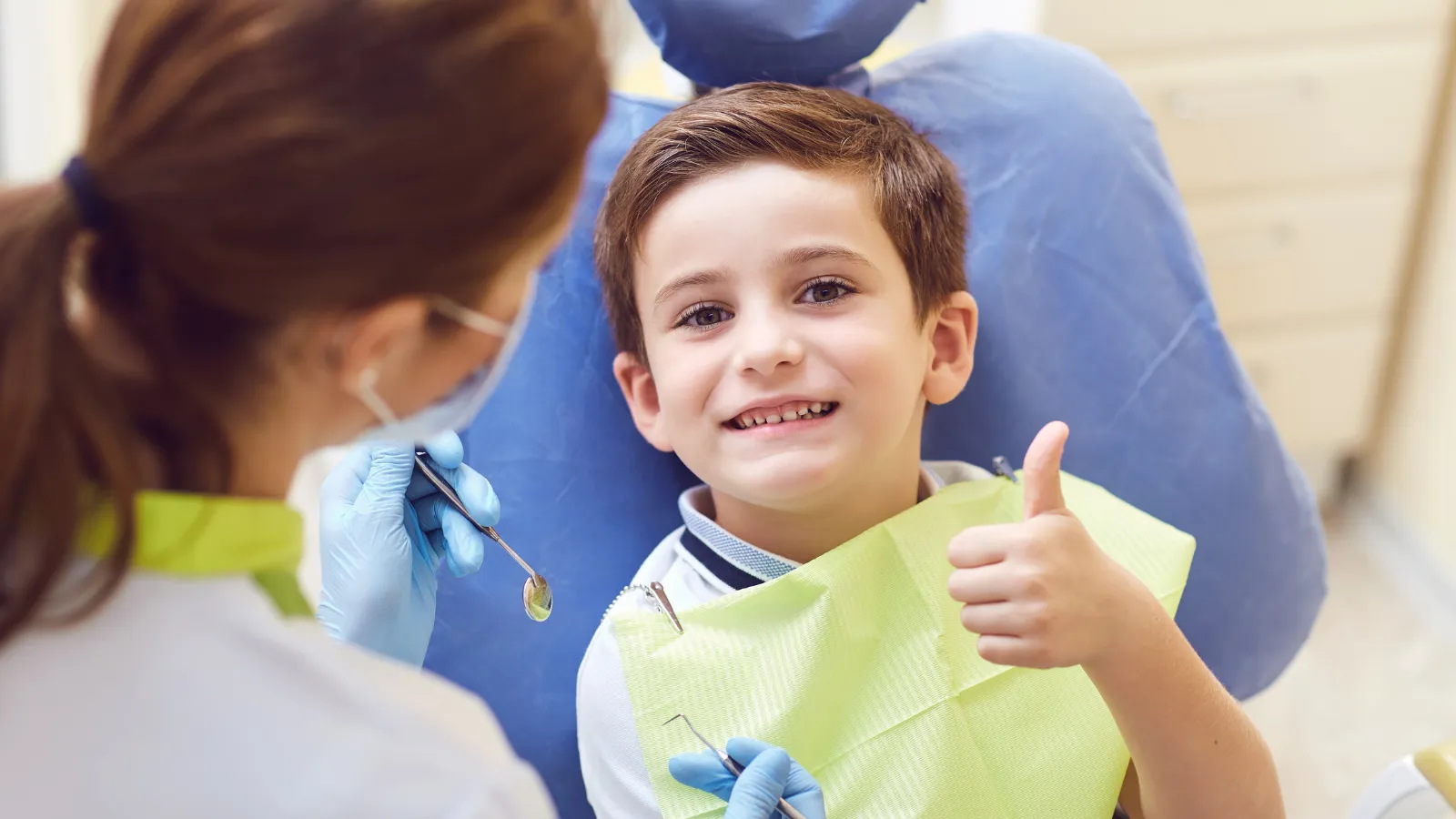
At Garrison Orthodontics, we hold the view that a self-assured smile begins in childhood. Interceptive-or Phase I-orthodontics gives us a chance to steer the jaw and incoming teeth as they grow, even before every adult tooth has appeared. The aim is straightforward: catch potential problems early so you spend less time, money, and discomfort later.
If you are curious about whether your child could gain from early care, knowing the warning signs, advantages, and steps involved is vital. Below is a clear summary.
What is Interceptive Orthodontic Treatment?
Interceptive orthodontics lets us spot and treat bite or alignment concerns while your child’s facial bones are still changing shape. Usually begun between ages six and ten, the approach tackles trouble before it deepens and becomes harder to fix.
To help that process, we may fit expanders, partial braces, space maintainers, or appliances designed to break harmful habits.
Why Early Intervention Matters
A first orthodontic check lets specialists spot emerging problems before they worsen. Addressing concerns while the jaw is still growing is easier and can spare the child from major surgery or long wear of braces later. An interceptive plan paves the way for a straighter, healthier smile that works well for years to come.
Common Signs Your Child Might Need Interceptive Orthodontic Treatment
Early or Late Loss of Baby Teeth
When a tooth falls out well before age five or far after most classmates, spacing or alignment may already be off. Timely interceptive work can guide the adult tooth into the right spot with enough room.
Crowded or Misaligned Teeth
Teeth that overlap tilt or never mesh together hint at crowding that will worsen with age. Starting early with gentle expanders or space maintainers can nudge the teeth toward alignment.
Difficulty Biting or Chewing
If a child bites cheeks, struggles to chew, or often rubs a sore jaw, the bite itself may be askew. Early diagnosis and simple appliances can balance the jaws and ease discomfort at mealtimes.
Mouth Breathing
When kids habitually breathe through their mouths, even when their noses are clear, their jaws and palates can narrow. Over time, this pattern alters how the face grows and how teeth sit, so early orthodontic expansion is often suggested.
Thumb Sucking or Tongue Thrusting
Long-term thumb sucking or pushing the tongue forward may create open bites or crooked teeth. Special appliances built into interceptive care can gently interrupt these habits and limit the damage.
Speech Issues
It sounds like lisping or trouble pronouncing certain letters, sometimes traced back to misaligned teeth or jaws. A thorough orthodontic check can reveal whether the dental structures are part of the problem.
Jaws that Seem Too Far Forward or Back
As children grow, a noticeable overbite or underbite can deepen and make chewing harder. Targeted interceptive treatment during growth spurts can steer the jaws toward better balance.
Prolonged Use of Pacifiers
Keeping a pacifier past the toddler years raises the odds of bite problems, especially open bites, and front teeth that stick out.
Crossbite or Open Bite
When your child’s upper teeth sit inside the lower teeth during a bite, that’s a crossbite. An open bite occurs when the teeth don’t meet at all, leaving the mouth ajar. Interceptive care can address either pattern early before bigger issues appear.
Visible Shifting of the Jaw When Speaking or Chewing
If you notice the jaw sliding to one side or forward whenever your child talks or chews, that movement may signal misalignment. Catching the problem now allows the team at Garrison Orthodontics to study its cause and slow any worsening over the years.
Benefits of Interceptive Orthodontic Treatment
- Guides Jaw Growth: Early care shapes the skeletal frame while growth plates are still soft.
- Improves Appearance and Confidence: Straight teeth and better alignment can lift self-esteem.
- Creates Space for Permanent Teeth: Extra room lowers the odds of crowding or impaction.
- Avoids More Complex Treatment Later: Timely action may spare your child future extractions or surgery.
- Improves Oral Function: Stronger bites make chewing, speech, and even breathing easier.
What Happens During Interceptive Treatment at Garrison Orthodontics?
At Garrison Orthodontics, we start with a plan tailored to your child’s unique smile and development. Here is what you can expect:
- Comprehensive Consultation: our specialists review the bite, growth stage, and overall dental health with state-of-the-art imaging and careful measurement.
- Personalized Proposal: After the initial assessment, we draft a plan just for your child. It might include light braces, palatal expanders, or other gentle orthodontic appliances.
- Regular Check-ins: Our office schedules routine visits to confirm that movement is on track and to tweak the appliances when needed.
- Caring Guidance: From the first appointment to the final retainers, our staff explains each step to both children and parents so the process feels easy and calm.
Why Choose Garrison Orthodontics for Your Child’s Early Orthodontic Care?
At Garrison Orthodontics, we do more than align teeth; we nurture self-esteem. Dr. Garrison Copeland’s journey through braces fuels his desire to help youngsters meet dental hurdles early. Thanks to cutting-edge equipment, an empathetic staff, and plans tailored to each smile, thousands of local families choose us each year.
Whether your child needs space maintainers, jaw alignment solutions, or braces, we offer:
- Same-Day Braces
- Invisalign for Kids
- Lingual and Clear Braces
- Jaw Remodeling Without Surgery
- Habit-Correction Appliances
- Accelerated Treatment Options
When it comes to your child’s smile, there is no one-size-fits-all plan. We believe in early action, expert care, and a custom road map for every young patient.
Conclusion
Bringing your child in early for a check-up can mean the difference between a simple adjustment and a longer course of treatment. Interceptive care does not equal braces on the first visit; it means spotting problems at their earliest stage and guiding growth so results are better and often quicker.
At Garrison Orthodontics, our goal is to walk alongside each young patient, offering tailored, gentle attention as their smile matures. Dr. Garrison Copeland and our caring team appreciate that timely action takes the worry out of waiting, so we explain every step and listen to your questions.
If you see any of the signs listed above or just want reassurance about how your child’s teeth are coming in, call us for a friendly, no-pressure exam. Together, we can chart a path toward a future filled with healthy, beaming smiles.
FAQs
What age should a child first visit an orthodontist?
The American Association of Orthodontists suggests that children have their first assessment around age seven. At that age, permanent molars have erupted, giving the doctor a clear view of the bite and early growth patterns so any potential concerns can be noted before they deepen.
Will my child still need braces later if they have interceptive treatment?
In a good number of situations, the answer remains yes. Interceptive care represents Phase I of a planned two-phase process that lays the groundwork, yet Phase harnessing full braces during the teenage years is often still required to finish the job properly.
How long does interceptive treatment typically last?
Phase I usually extends over six to twelve months, with the exact duration shaped by your child’s individual growth and how quickly teeth respond to the appliances in place.